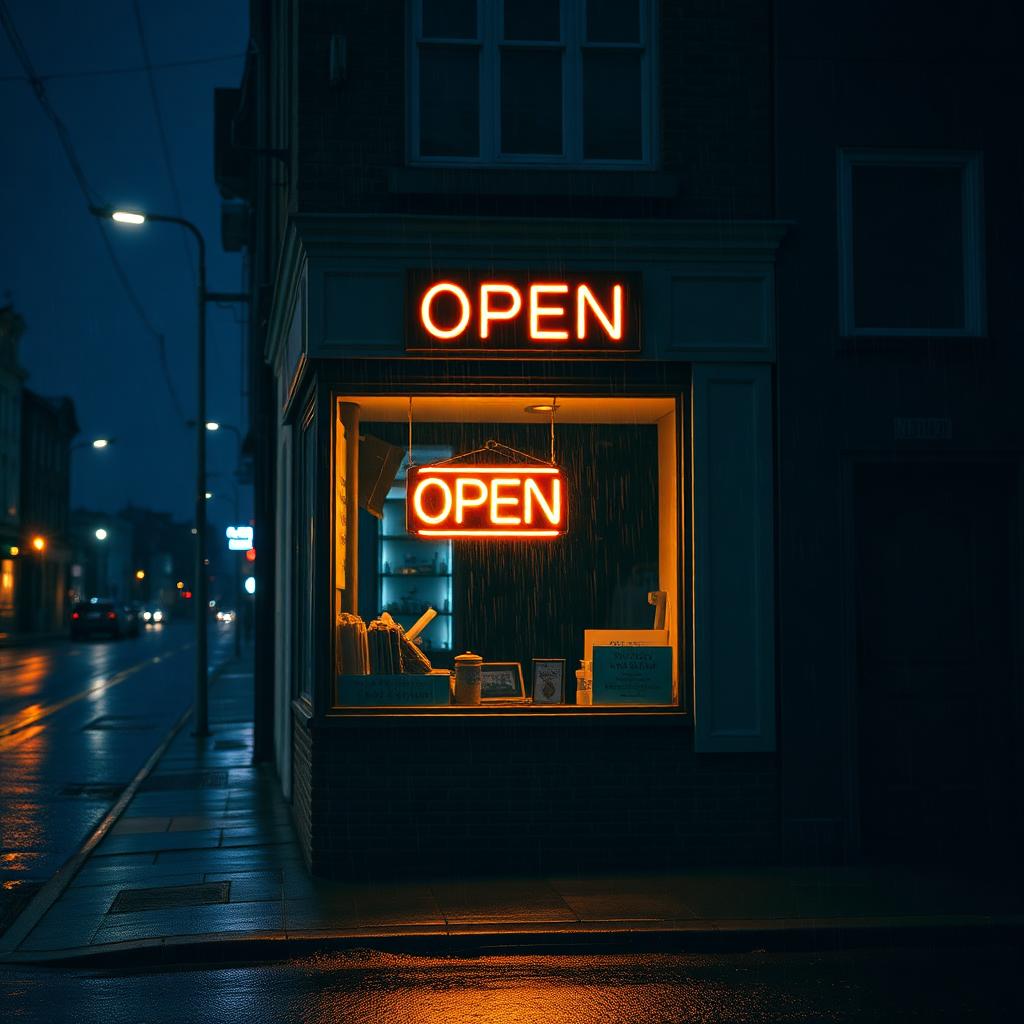
For the first time, biology and business can be uncoupled
The whole idea of business hours is about to die.
We never questioned it. A business opens, then closes, then opens the next day again. It is a rhythm so familiar it feels like a law of nature.
But this was never a choice, it was a limitation. People need to sleep, eat, and go home to their families. The closed sign was never a strategy, it was human biology disguised as business policy. For the first time, biology and business can be uncoupled.
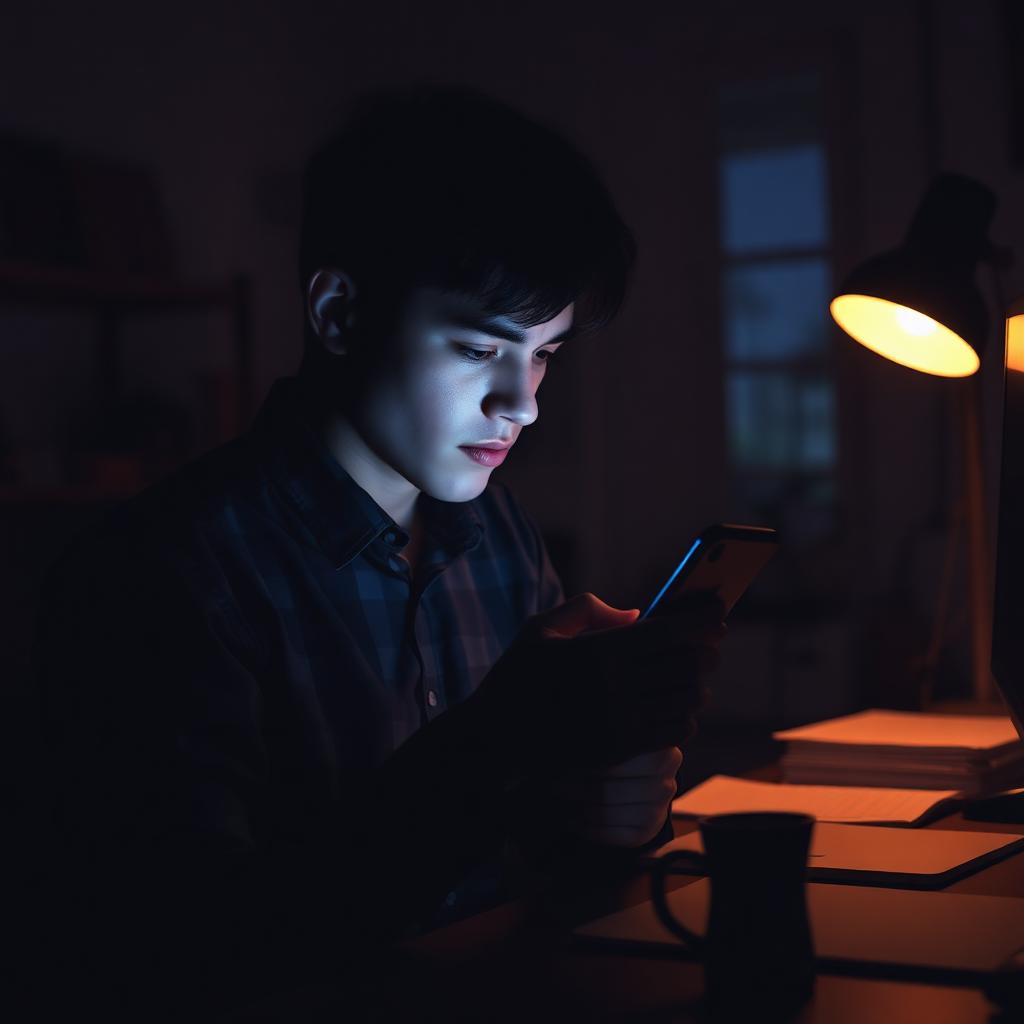
An entire generation of customers is growing up without understanding this concept at all. To someone in their twenties, a business being unreachable at 9 p.m. feels as strange as a business not having a website did a decade ago. This is not entitlement, they live in a world where everything responds. Their banking app responds. Their food delivery responds. The AI on their phone answers any question at any hour without complaint. So why on earth would the local appliance repair shop be the one thing in their life that goes dark at five and stays dark all weekend?
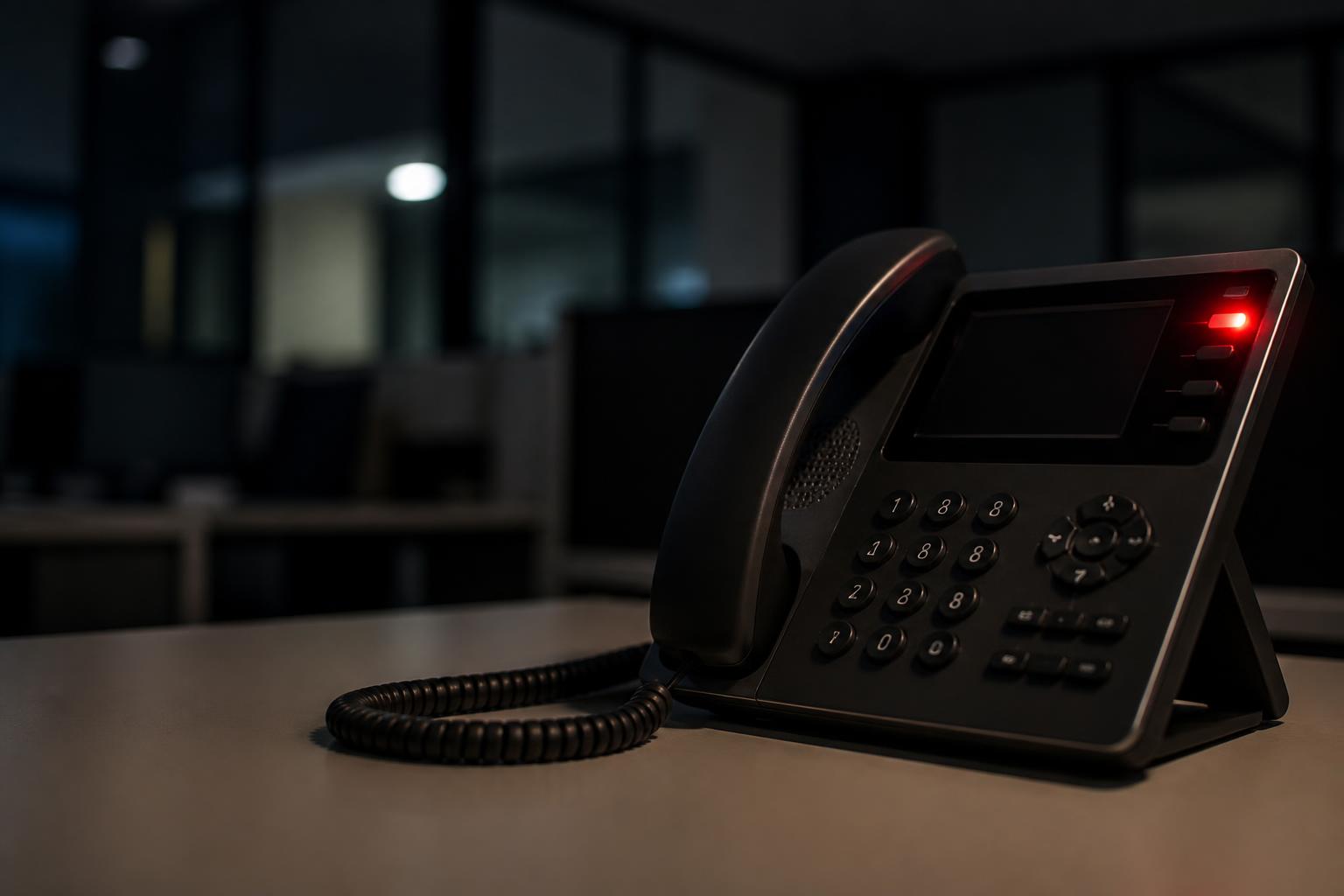
Consider a flower shop the week of Valentine's Day. During open hours the phone rings off the hook, and they might catch half the calls. The other half comes at night, from people in a panic wondering if their order will arrive on time. They get a voicemail box. These are not casual browsers, they are customers with credit cards out, ready to spend money on a deadline. But the shop is "closed," so that ready money floats off into the dark until morning. By then a good number of those people will have solved their problem with whoever was reachable.
Staying awake is not the same as working yourself to death
The businesses that grasp this are not asking their staff to work around the clock. That would be cruel, impossible, and miss the point entirely. The point is that the business can stay awake after the people go home.
That distinction is the whole thing, and it is worth being precise about how it works, because "open 24/7" is only an upgrade if the after-hours answers are actually right. A grounded assistant answers from the shop's real information, the cutoff times, the delivery zones, the substitution policy, at 97%+ accuracy, a number validated by the Customer Service team at Curacao Department Stores led by SVP Joseph Jiron across more than 100,000 monthly interactions in production, rather than guessing. The panicked Valentine's customer gets reassured at ten at night with a true answer, not a hopeful one. And this is not a thought experiment. In production that same kind of always-on line handles 2,000+ customer calls a day, and over one single weekend it collected 105 payments while the staff were home. And because taking an order is an action, not just a question, it runs through deterministic, scripted logic, so the details are captured correctly rather than improvised. When something genuinely needs a human, it says so and leaves it for the morning. The human florist discovers the saved sale over coffee, instead of discovering a voicemail from a customer who already gave up.
Where this leads
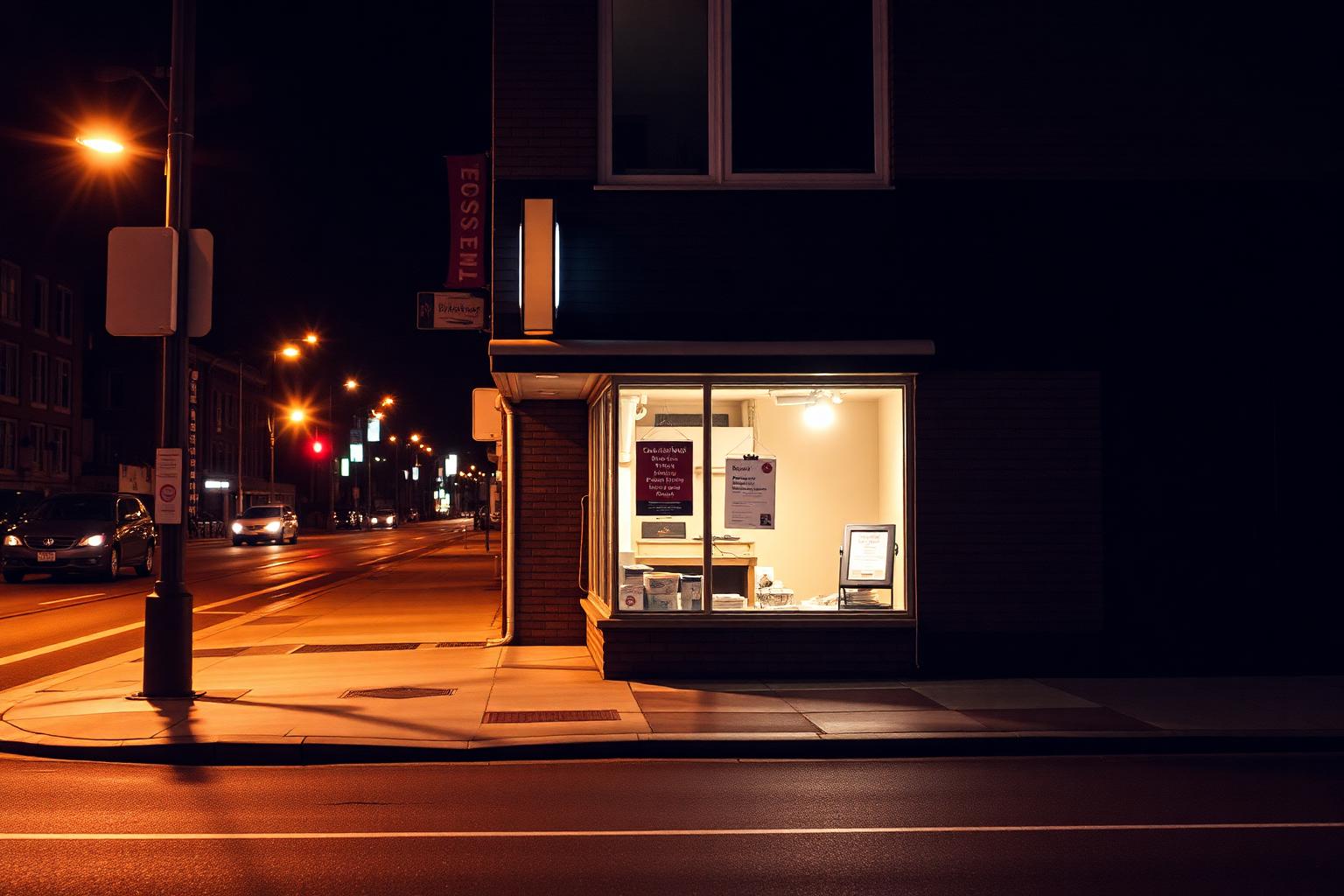
Within a year or two, "business hours" will feel like a quaint old phrase, the kind of thing you explain to a child, like waiting for a TV show to air at a specific time. Not because everyone will work themselves to death, but because the business itself will remain reachable even when the humans are asleep. The closed sign will not just get smaller, it will disappear as a concept. And the businesses still flipping theirs to "Sorry, we are closed" at five o'clock will soon look like the only dark window on a street where every other light is still on.
Turning the lights on is not the project it sounds like. It takes about five minutes to set up, it is free to try for seven days with no credit card, and paid plans carry a 90-day money-back guarantee. The closed sign was always a constraint, not a choice. Now it is optional. (It is the same shift that reset what customers expect from every business overnight.)