7:48 on a snowy Tuesday. The school's office manager has three lines ringing and the same question on all of them: are the buses on the delay schedule? Meanwhile a parent is standing at the counter, upset about something that actually needs her.
Now the same morning with the routine handed off. The bus question is answered by the Guru on the phone and by text, from the district's posted delay notice, two hundred times before 8:15. A parent texts to move Thursday's conference:
Parent: Can we move Thursday's conference with Ms. Ortiz? I have to work. Guru: I see your conference with Ms. Ortiz on Thursday at 3:30 PM. She has Friday at 3:15 PM or Monday at 4:00 PM open. Which works for you? Parent: Friday Guru: To confirm: I'll move your conference with Ms. Ortiz from Thursday at 3:30 PM to Friday at 3:15 PM. Shall I go ahead? Parent: Yes Guru: Done. You're booked for Friday at 3:15 PM.
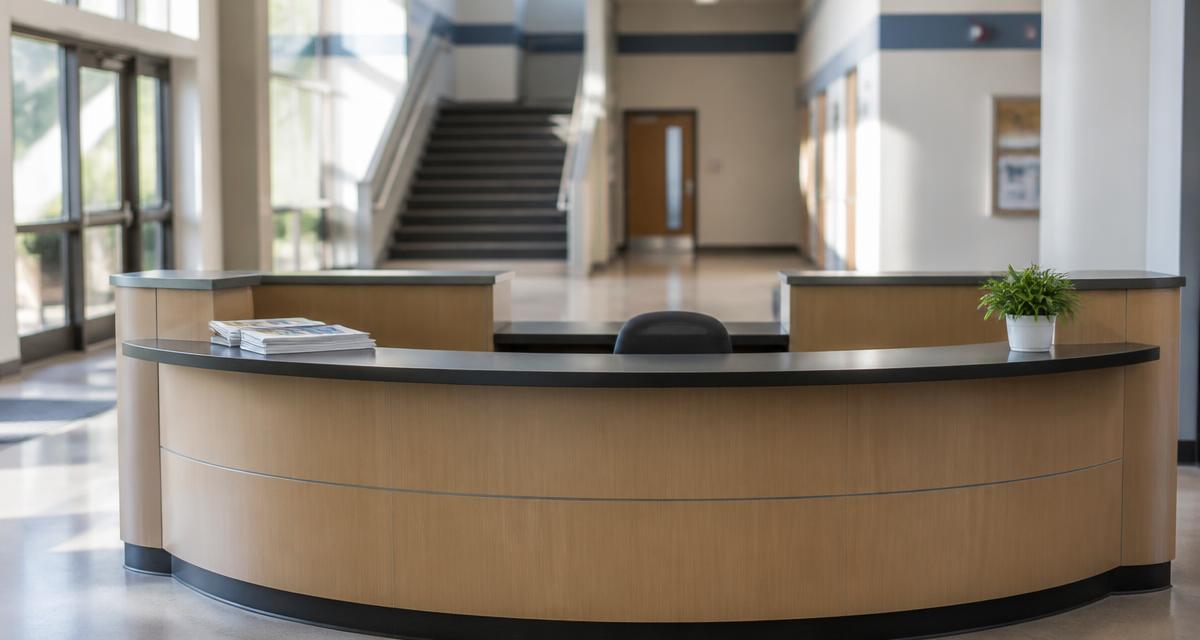
The office manager spends those twenty minutes with the parent at the counter.
Handing off the routine
That is what lifting the routine off school staff looks like. Not fewer people in the office, but fewer bus-time calls reaching them. The Guru takes the high-volume, low-variation questions, the bus time, the schedule, where the form is, and answers them instantly by phone, text and email, at every hour, in English and Spanish on the phone and in about 100 languages by text and email. Those answers come from the school's own posted information, with 97%+ accuracy.
The conference change is different, because it changes something real. That step is run by a deterministic workflow engine, not by the AI's judgment. It finds the actual conference in the school's scheduling system, for the parent who is asking. It offers only the slots Ms. Ortiz has open. It reads the change back from the system's own data and makes it only when the parent says yes. If anything doesn't match, nothing changes and a person follows up. Those booking steps are 100% accurate: the worst case is a missed request caught on the next message, never a wrong change.
The human cost of the routine
The front office of a school is the switchboard for an entire community: the phone, the email, the counter and the crises, all at once, all day. Much of it is the same few questions, over and over. That is its own kind of exhausting. Not hard, meaningful work, but high-volume, repetitive work that never lets up, spent repeating information that's already written down somewhere.
Most people who work in a school office care about the community. They want to help the worried parent and the struggling student. The routine flood buries that work. A staff member answering the fortieth bus question of the morning is not in good shape for the anxious parent at the counter, so the overload doesn't just tire the staff, it makes the interactions that matter most go worse. Being drained by the parts of the job that matter least is close to a definition of burnout.
Capacity, not cuts
This is the point that's easiest to miss. Handing off the routine isn't about reducing staff. It gives them back the capacity for the human part of the job. When the bus calls stop landing on them, they aren't left with less to do. They're left with the work the routine was crowding out: the parent who now gets a calm, unhurried person, the sensitive situation that gets real attention, the student who needs help from someone who isn't worn out.
The honest limits
Handing off the routine won't cure staff burnout. Burnout has other causes, understaffing, pay and the intensity of working in a school, and no communication tool fixes those. But the routine communication load is a large contributor, and it's one a school can actually address. Lifting it removes one of the heavier weights, even if it isn't the whole answer.
Keeping good people
Burned-out staff leave, and turnover in a school office is costly. When an experienced office manager quits, she takes years of knowing every family, every exception and every workaround with her. Making the job sustainable is a way to keep good people longer, which matters for a school's stability well past any single morning.
Questions worth asking
- How many of the calls the office took this morning were the same question?
- Where is the answer to that question already posted?
- When a parent changes a conference, does the change land correctly in the school's own scheduling system?
- Who is standing at the counter while the phones ring?
The goal was never fewer people in the school office. It was less of them used up on bus times, so they still have patience left for the parent who needs it. On that snowy Tuesday, the buses ran on the delay schedule, the conference moved to Friday, and the parent at the counter got twenty minutes of the office manager's full attention.